Smell
A sulfur or rotten egg odor may indicate a natural gas leak.
Understanding gas leaks, warning signs, and the importance of life safety is part of responsible professional property care.
Natural gas is one of the safest and most reliable energy sources used in homes today. Across South Florida, thousands of homeowners, landlords, and property owners rely on natural gas every day to power water heaters, cooking appliances, dryers, outdoor kitchens, pool heaters, fireplaces, standby generators, and other essential equipment.
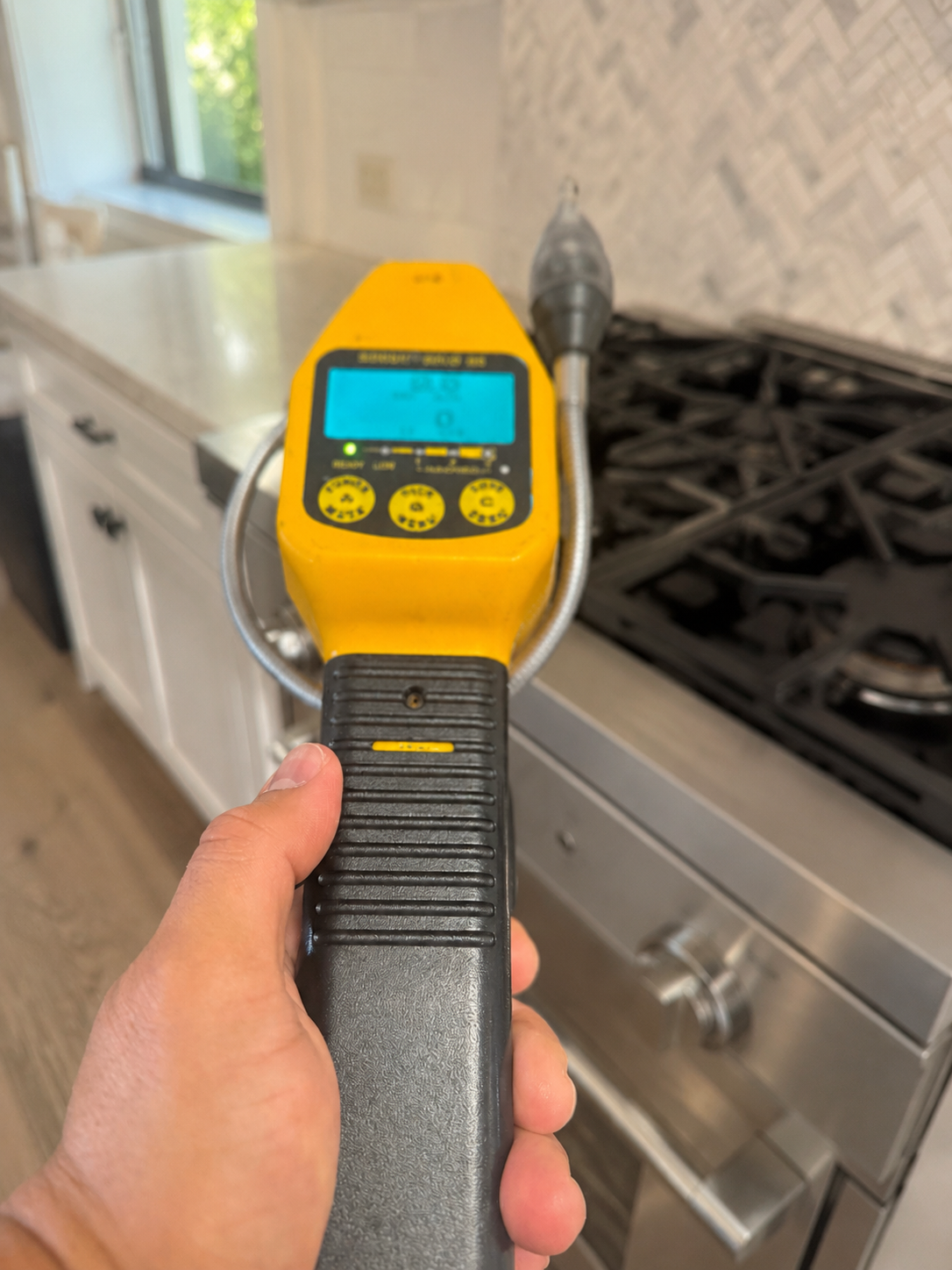
While natural gas systems are designed with multiple layers of safety, every property owner should understand how these systems work, recognize the warning signs of a potential gas leak, and know what actions to take if a leak is suspected.
At First Due Home Safety, we believe professional property care begins with prevention. Understanding your property's life safety systems helps you make informed decisions, reduce risk, and protect the places that matter most.
Natural gas leaks are often identified using three senses. Utility providers encourage customers to use all available senses rather than relying on smell alone, as odor perception may be reduced by certain medical conditions, competing odors, or odor fatigue.
A sulfur or rotten egg odor may indicate a natural gas leak.
Hissing or blowing sounds near gas lines or appliances can be a warning sign.
Dead vegetation, disturbed soil, bubbles in standing water, or damaged piping may point to a problem.
Many communities throughout Miami-Dade County and surrounding areas receive natural gas service from utility providers such as Florida City Gas and Peoples Gas (TECO). These utilities operate and maintain extensive underground distribution systems that safely deliver natural gas to residential and commercial properties throughout their service territories.
Generally speaking:
If you're unsure who provides natural gas service to your property, your utility bill or property records can usually identify your provider.
Natural gas has been used safely in homes for decades.
It is naturally:
Because natural gas has no natural odor, utilities add a harmless odorant called mercaptan to help people detect leaks. Mercaptan produces the familiar "rotten egg" smell associated with natural gas and serves as one of the primary safety features of the distribution system.
Modern natural gas systems also incorporate numerous engineering and operational safeguards, including pressure regulation, emergency response programs, and routine system inspections performed by utility providers.
Although uncommon, gas leaks can occur for a variety of reasons, including:
Most leaks are small and are identified before they become dangerous, but every suspected leak should be treated seriously.
The most recognizable warning sign is the distinctive sulfur or rotten egg odor created by mercaptan.
A hissing or whistling sound near a gas appliance, meter, or gas piping may indicate escaping gas.
Visible signs can include:
Natural gas emergencies require immediate action.
If you suspect a gas leak:
Do not return to the property until emergency responders or your utility provider has determined it is safe to do so.
A natural gas leak is not the same thing as carbon monoxide.
Natural gas is the fuel.
Carbon monoxide (CO) is a byproduct that can be produced when fuel-burning appliances do not burn fuel completely because of improper operation, poor maintenance, or inadequate venting.
Carbon monoxide:
For this reason, properly installed and maintained carbon monoxide alarms are an essential component of life safety in homes with fuel-burning appliances or attached garages.
One of the most common causes of underground utility damage is excavation.
Before beginning any digging project, including installing fences, landscaping, irrigation systems, or planting trees, Florida law requires property owners and contractors to contact 811 so underground utilities can be located and marked.
Even relatively shallow digging can damage underground gas lines.
Planning ahead helps protect people, property, and critical utility infrastructure.
While only qualified professionals should service natural gas systems, property owners can help improve safety by following several best practices:
Routine awareness is an important part of responsible property ownership.
Many property systems receive attention only after something stops working.
Life safety should be different.
Recurring life safety inspections help property owners maintain visibility into important safety components before an emergency occurs.
As part of our Professional Property Care program, First Due Home Safety performs recurring life safety reviews that include visual evaluations of smoke alarms, carbon monoxide alarms, and other visible life safety components while documenting observations through our Home Health Report™.
Although we do not perform gas leak detection, gas line repairs, or utility services, routine life safety inspections help ensure that critical safety devices are functioning, visible concerns are documented, and property owners remain informed about the overall condition of their property.
Professional property care isn't about reacting after something goes wrong.
It's about maintaining visibility, documenting conditions, and helping property owners make informed decisions throughout the year.
For more information about natural gas safety, emergency preparedness, and life safety, visit these trusted resources:
Natural gas has safely served homes for generations, but safety depends on awareness, preparation, and proper maintenance.
Understanding how your property's natural gas system works, recognizing the signs of a potential leak, and maintaining functioning life safety devices are all part of responsible property ownership.
At First Due Home Safety, our mission is to provide Professional Property Care through recurring property maintenance, documented reporting, and life safety oversight that helps homeowners, landlords, and property owners stay informed year-round.
Protect the places that matter most. Schedule a recurring Professional Property Care plan and gain greater visibility into your property's life safety systems with First Due Home Safety.
First Due Home Safety helps owners stay ahead of visible concerns through recurring property maintenance, documented reporting, and practical life-safety awareness.
Get Started